- Coach Craft
- Posts
- Speed Up Moments

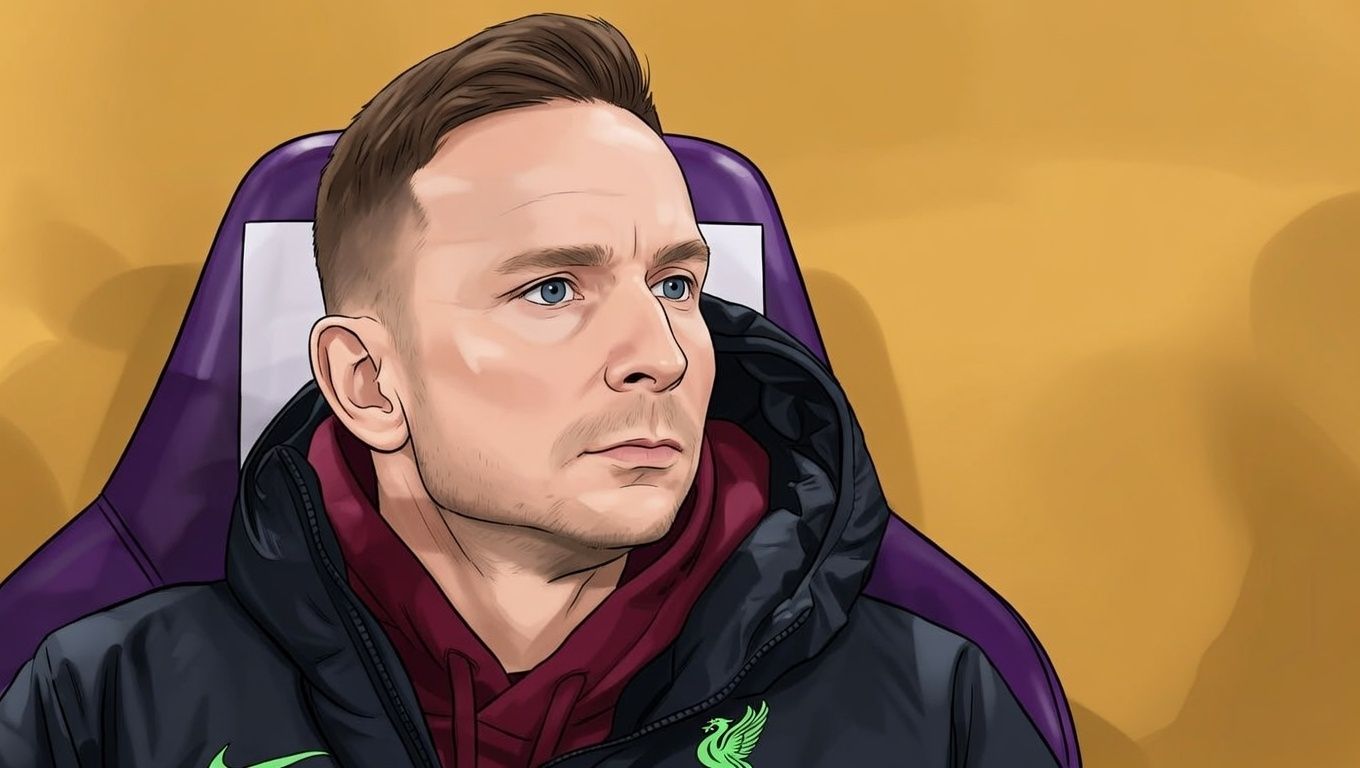
Under Jürgen Klopp, Liverpool’s playing style was called ‘rock ‘n roll football’ for its up-tempo, unrelenting style.
Klopp’s game style was set in stark contrast to the intricate ‘classical music’ style of his long-time foe, Manchester City’s Pep Guardiola.
But not only does this comparison undersell the intricacy of good rock ‘n roll music, it gives the impression that Klopp’s work was just all thrashing and headbanging.
Klopp’s assistant coach was Pep Lijnders, who wrote his book Intensity to give us unprecedented insight into Liverpool’s 2021/22 season, and it shows the level of craft required to sit atop Europe’s footballing mountain.
Speed From Constraints
In the pre-season, Liverpool have some teething problems. Lijnders writes, “Jürgen spoke about the ‘new’ ideas like playing the first pass forward.”
Liverpool’s straight-to-goal methodology is lauded, and has generated many replica versions over the years. But it’s often misconstrued as being at its most dangerous because of foot speed on the transition.
In fact, the speed that is most troublesome for a transitioning defense is the speed of action. This is where ‘first pass forward’ or ‘first action forward’ is so brilliant.
By constraining the options available to their players on offensive transition, Liverpool’s entire team had clarity about where the ball was going — forward — and can react quickly to speed up out-of-position defenders.
Conversely, when your players have unlimited options, not only is the on-ball player unsure of what they’re going to do, so are all of their teammates. The difference may only be a fraction of a second, but at the pinnacle of European football, a fraction of a second is an eternity.
Trained Identity
In my Craft of Coaching webinar last week, I spoke of the idea of embedding and embodying — the idea that your coaching philosophy needs to come to life.
This has perhaps never been so visible as in the case of Liverpool.
Lijnders says that it gives him immense pride that his quote is plastered on the wall in big letters at Anfield: ‘Our identity is intensity’.
This wasn’t your typical case of words on the wall. Intensity was embedded and embodied. Intensity was embedded in their training sessions, in every exercise.
“A good team isn’t born – it’s created through many, many exercises focusing on the same aspects time and time again; searching constantly for an intensity so we can go and the opposition can’t. That’s what we wanted: to be able to cause each team problems this season by creating as many speed-up situations as possible. A collective display of intensity, provoke them offensively and cut their connections defensively.”
In a separate passage, Lijnders articulates how he embodied this idea and made it come to life in his coaching.
“Out on the training pitch I made this intensity clear by shouting: Each opportunity we get, we speed up the play with the simplest passes; play quick free-kicks; spot and play; first pass forward; counter-press immediately; quick throw-ins; quick restarts and play on each opportunity in the back of them!”
As many speed-up situations as possible is about as clear as it comes, and these are trained in every phase of the game.
This differs drastically from a lot of coaches who want an embodied identity until that identity causes a player to make a mistake. Then that player is dissuaded from embodying that identity, causing confusion not just for that player, but for every player.
Two Rules To Belong
Lijnders says that Liverpool only really had two rules in training:
Always 100% attitude
Everyone is responsible for everything
They believed that togetherness and character would provide the glue that would allow them to beat just about anyone on their day. Their collective identity, shaped by repeated belonging cues, unlocked levels of performance that were inaccessible otherwise. “It’s about a strong collective idea which makes the individuals flourish. The team transforms the players, not the players transform the team,” he writes.
Cody Royle’s Craft School
You can now book 1:1 coaching sessions, as well as sign up for Craft Series webinars, by visiting Cody’s Calendly.